Oil and Gas Industry
NLNG, NNPC, WAPCo Renew Call For Collaboration To Strengthen Africa’s Gas And Oil Infrastructure At 2026 NIES.


Published
2 months agoon
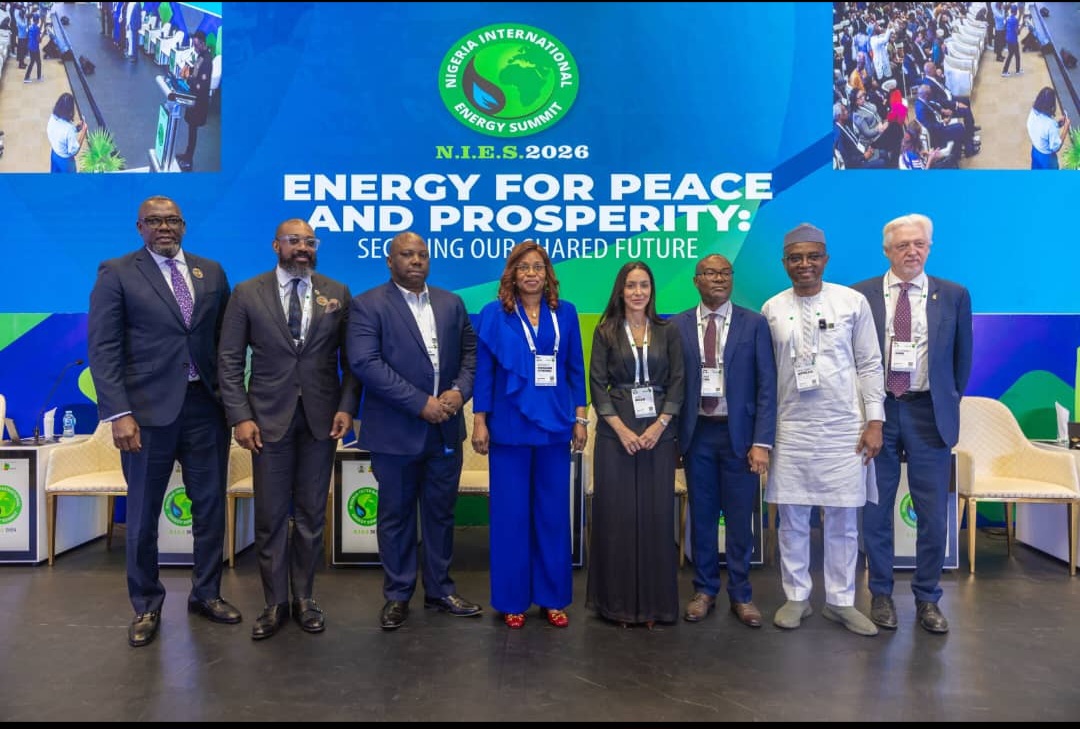
ENERGY leaders, diplomats and industry executives have renewed calls for deeper cross-border collaboration in Africa’s gas and oil infrastructure, arguing that pipelines could become powerful tools for energy security, industrial growth and continental peace.
Speaking at a high-level panel session themed “Pipelines, Power & Peace: Unifying Africa’s Energy Diplomacy,”at the 9th Nigerian International Energy Summit, NIES, the participants noted that strategic projects such as the Nigeria–Morocco Gas Pipeline, the West Africa Gas Pipeline and emerging East African energy corridors could reduce Africa’s dependence on imports. while accelerating regional integration.
The session, moderated by Ms. Amel Grabsi, Regional Director, Gas for Africa, explored how infrastructure diplomacy could reposition Africa as a cohesive energy bloc amid current fragmented global geopolitics. Central to the discussion was the proposal for a One Africa Gas Corridor Initiative—a Nigeria-led vision to interlink gas infrastructure across the continent, harmonise policies, mobilise joint investments and build a shared knowledge ecosystem.
The panelists, included Johannes Lehne, Deputy Head of Mission at the German Embassy; H.E. Gabriel Mbaga Obiang Lima, President of the Central Africa Pipeline System, CAPS; Riverson Oppong, Director, SPE Africa/Chamber of Oil Marketing Companies, Ghana; Olalekan Ogunleye, Executive Vice President, Gas & New Energies, NNPCL; Abiodun Bodunrin, Managing Director, West Africa Gas Pipeline Company, WAPCO; and Olakunle Osobu, Acting Managing Director, NLNG.
In their seperate remarks, NNPC’s Olalekan Ogunleye, underscored Nigeria’s long-standing leadership role in Africa’s petroleum sector, noting that the national oil company has been driving industry development since 1977, including through OPEC and the African Petroleum Producers’ Organisation, APPO.
Ogunleye disclosed that the NNPCL recently launched the Gas Master Plan 2026, aimed at coordinated development of Nigeria’s gas sector and anchored on new flagship projects such as the African Atlantic Gas Pipeline.
According to him, the plan prioritises collaboration to guarantee gas supply, with over 70 per cent of required gas volumes targeted to be secured through partnerships.
Ogunleye also highlighted efforts to grow Nigeria’s LPG market from 1.5 million tonnes to 5 million tonnes, expand gas processing and infrastructure, and deepen regional cooperation. Beyond infrastructure, he stated that the NNPCL is exporting knowledge sharing both successes and lessons learned with countries such as Senegal and others developing their gas sector plans.
Through subsidiaries including the NGPI and NGML, Ogunleye said that the NNPCL had established a national gas transportation and distribution network and was in discussions with countries like Ghana and Côte d’Ivoire to replicate similar systems to stimulate economic growth across West Africa.
“Our focus today is execution excellence, getting projects done, and leading Africa in extracting full value from its energy resources,” he said, describing the African Atlantic Gas Pipeline as a major continental initiative.
On his part, acting managing director NLNG, Olakunle Osobu who was represented at the panel session by Austin Ogbogbo while sharing his thoughts and using NLNG as a Blueprint for Africa stated that Nigeria’s LNG success story provides a credible blueprint for Africa’s broader energy integration.
In his further remarks, Olakunle Osobu recalled how NLNG’s operational track record of over 25 years of operations with reliability above 95 per cent and investments exceeding $20 billion have both combined to helpe change international perceptions about African energy projects.
Osobu said global financiers were often surprised to learn that such scale and operational excellence existed in Africa, stressing that NLNG’s integrated pipeline-to-plant-to-market model demonstrates that African gas projects can meet global investment and reliability standards.
“What we have achieved in Nigeria is transferable,” he said. “From gas aggregation to supply agreements, plant operations and sales commitments, we have shown that end-to-end execution is achievable. That experience can be shared across the continent.”
He added that strong operational performance is critical for attracting financing, noting that lenders require proven reliability and governance before committing capital.
Providing updates on regional gas flows, WAPCO Managing Director, Abiodun Bodunrin, said the company’s immediate priority was to fully utilise existing infrastructure.
He disclosed that WAPCO aims to increase gas volumes to the region by about 18 per cent in 2026, with an internal target of boosting utilisation at existing stations by up to 80 per cent. In the medium term, the company plans to raise offshore pipeline utilisation, currently estimated at about 40 per cent, while its five-year goal is full capacity utilisation.
According to Bodunrin, WAPCO intends to expand existing infrastructure to support growing regional demand.
Speakers across the panel session agree that gas infrastructure is no longer just an energy issue but a diplomatic and geopolitical tool capable of fostering cooperation, reducing conflict and driving shared prosperity.
They argued that positioning gas as a transition fuel, supporting industrialisation while enabling cleaner energy pathways, could help Africa build a unified continental energy market with greater global relevance.
As discussions closed, panelists expressed optimism that sustained collaboration, policy alignment and investment could transform pipelines into bridges, linking economies, strengthening peace and powering Africa’s future.


Nigeria’s Petrol Price Stability And The Dangote Factor.


Middle East Crisis: What It Means For Oil-Rich But Refining-Poor African Economies.




NLNG Expands VIBES Programme With Induction Of New Beneficiaries.


Champion Awards: Former Ogun Governor, Gbenga Daniel, Applauds Newspapers’ Commitment To Professionalism Despite Challenges, As MD/CEO Rural Electrification Agency Wins Outstanding Public Servant Award.


Ugo Amadi, Adeola Yusuf, Phd Re-elected As NAEC Gets New Exco.