
Oil and Gas Industry
The U.S And The Geo-Politics Of Venezuela’s Oil And The Russia-China Dilemma.


Published
9 months agoon
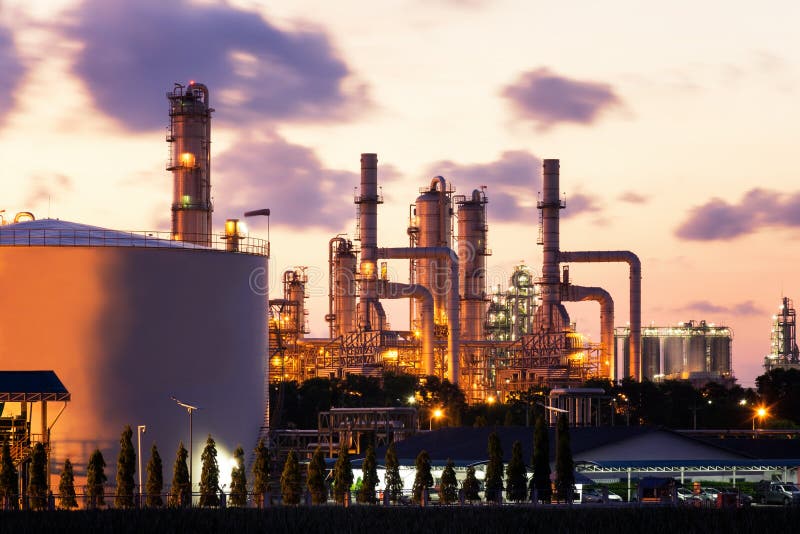
The global energy sector environment will continue to shape geo politics across the world as the energy sector particularly the oil and gas space remain critical to national development across nation states. History has shown that most global conflicts if not all are basically driven by resource control interest by strong global actors whose main focus is to undermine sovereignty of nation States to have access to the resources of less powerful but equally sovereign states.
Global commentaries and even pronouncements coming from the American president, Donald J. Trump has also given credence to this logic that the latest interest of the United States government to pursue regime change in Venezuela may not necessarily be to protect the Venezuelan citizens but rather the protection of America’s interest and by extension, the country’s oil companies.
The idea of this piece is to evaluate what gains the regime change in Venezuela portends for the American nation, and how the latest development also portend danger for both the Russian and Chinese oil companies and the agenda which the current acting president, Delcy Rodriguez will be bringing to the table for the oil sector in that country following the capture and subsequent removal of now former President, Nicolas maduro by the United States government under President Trump.
Reports suggest that America with the forced regime change in Venezuela had made a significant move to have direct access to that country’s oil sector with the latest imposition of a 25% tariff on countries importing oil from Venezuela. This latest tariff by the American government has sent shock into the global energy market with implications for the Venezuelan energy sector and beyond.
With a world record of largest proven oil reserves at 303 billion barrels, the US government aims to revitalise Venezuela’s oil industry which has longed been crippled by sanctions and years of mismanagement. The clear indication is that with such US direct control in the oil sector in Venezuela, America oil companies like chevron, ExxonMobil and Schlumberger are poised to benefit from the new development with chevron already being in operations in Venezuela under limited sanction waivers according to reports.
Parts of the US planned reforms for the energy sector in what now appears to be a ‘New colony’ of the United States include pursuing innovative financial mechanisms to incentivize investment, including debt recovery and enhanced energy security.
Analysts have raised concerns over these planned reforms declaring that the reform pathways for the venezuelan oil sector is fraught with risks, including political instability, infrastructure decay, and global market dynamics.
Despite these concerns, however, there are also strong indications that the American intervention in Venezuela brings to the table some level of values.
In some quarters the belief is that the US control of the oil sector in Venezuela is likely to reduce the country reliance on Middle Eastern and Russian oil thereby strengthening the US geopolitical leverage in Latin America. It is also believed that this will bring about some economic revival in Venezuela as potential influx of investments and technology according to some global commentators could potentially boost Venezuela’s oil production and pushing it to a record height of over 2.5 million barrels per day over the next decades; just as some have said that the unfolding development could drive market shift as events in the coming months is likely to divert Venezuelan oil supplies from China to the U.S, Impacting global energy trade routes.
While America may already be counting their gains with the ouster of Nicolas maduro, Russia and Chinese oil companies may have come at a cross road as these companies with significant stakes in Venezuela oil industry, now face uncertainty and potential losses. For instance China’s sinopec and Russia’s roszarubezhneft oil companies who both control billions of barrels of Venezuelan oil before the American takeover may have to yield that control to the American oil companies in the face of global tension arising from U.S actions in what could significantly affect both Russia and China oil imports from Venezuela, with analysts believing that this shift may force Chinese refiners to seek alternative, potentially more expensive, crude sources.
Events and the geo political dynamics surrounding the US takeover of the oil sector in Venezuela and the battle between the American government on one hand, and Russia and China on the other hand for the control of oil politics in that country will be interesting in the coming months, with some already alleging that the US government may likely takeover direct control of similar oil assets in other countries if interventions are not promptly articulated to tame the United States President, just as the world expects acting president Delcy Rodriguez herself being a former minister of oil in Venezuela with vast knowledge of the global workings of the oil sector to set a credible roadmap that would drive growth and bring about stability not just for the energy sector in her country but to the vast majority of Venezuelan citizens who have longed suffered deprivation in the midst of abundant oil and gas resources in their country.

Fuel price hike, the pains, and renewed subsidy debate in Nigeria


NNPC showcases Nigeria’s gas potential at Gastech, targets 12 Bcf/d by 2030


PIA is the game changer for Nigeria’s oil and gas sector- NUPRC boss


Bonga South-West Aparo Project: NNPC, OML 118 Contractor Parties Execute PSC and DSA Addenda

OGTAN CONFAB: NUPRC boss raises fresh concerns over skills gap, as Nigeria eyes new oil investment cycle.

FG-NUPENG MEETING : PETROAN applauds President Tinubu’s position on reviving Nigeria’s refineries