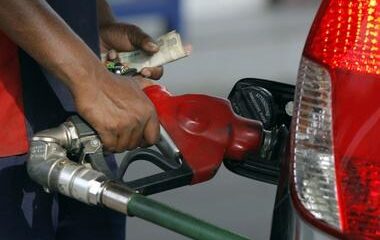
Same day upon assumption of duty as president, president bola tinubu made a very direct and unambiguous statement to the effect that his administration will not run with the policy on subsidy on fuel leading to the now famous, “Subsidy is gone” quote of Mr president.
That singular pronouncement on May, 29th, 2023 had since impacted on the daily lives of Nigerians and continue to do so even to this moment. As Nigeria continues to grapple with skyrocketing prices of goods and other essential lively items as a direct consequence of the impact of increased fuel prices arising from the removal of subsidy on petrol in 2023, the consequences of the middle east crisis has further worsen the situation not just for citizens in Nigeria, but across the globe.
Citizens across the world in recent months have intensified calls for their governments to find lasting solutions to the fuel price crisis arising from the fallout of the US-Iran war, a development that has seen citizens taking to protests in some cities globally. In recent months the world has witnessed protests against high cost of fuel prices in bangledish, sri lanka, and of recent in pakistan in direct response to the high cost of living which the high fuel prices has caused the average families across the world.
With countries already responding to increasing level of hardship as a result of the impact of high cost of fuel on livelihood, the conversation around whether or not there should be subsidy on petroleum products has now taken a global tone beyond the Nigerian local conversation.
Only recently and based on subtle agitations in Germany over increasing cost of living as a result of the soaring prices of fuel, the German government had to introduce subsidy on petroleum products to cushion the pains of citizens, and just few days ago, pakistan had to follow the German route through subsidy on petroleum products.
Going by the pronoucement of the Nigerian government on Thursday on what obviously appears to be a return of subsidy on fuel, what begs for interrogation however, is why the government would want to bare the pains of citizens for just one month. What happens after one month? Is the Nigerian government indicating that after one month, citizens can return to their pains again? If the government is taking the route of other countries who have had to introduce subsidy on petroleum products to cushion the pains of their citizens without necessarily putting a month ceiling, why should the Nigerian government deploy a month timeline for it’s intervention?
The latest intervention on the part of government though commendable, our call as a news online platform is for government to adopt a permanent subsidy pending when the middle east crisis is fully resolved and the disruption of shipping along the strait of hormouz is completely ended and nomalcy installed to the global energy flow.
Though the petroleum industry act completely frowns at a regulated petroleum sector, the possible strategy on the part of government to act under that cover to return to a zero subsidy regime after the one month window in the view of energy news stream is no longer sustainable. This media platform believes that citizens must not die under a law that has now become more of a document that has brought more pains to citizens rather than joy.