Delta state state governor, Sherrif Oborevwori says the future of Nigeria’s oil and gas industry will be determined by the quality of its people, not just its crude reserves, as it pledged to deepen investment in skills development and technical education.
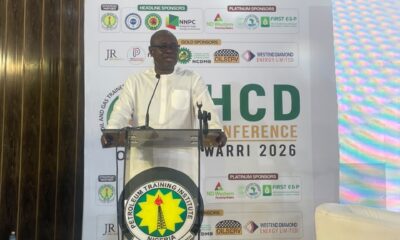
Speaking at the Oil & Gas Trainers Association of Nigeria, OGTAN, Human Capacity Development Conference 2026 in Warri Governor Sheriff Oborevwori who was represented by the State Commissioner for Oil and Gas, Peter Uviejitobor, said Delta is aligning its policies with the demands of a changing global energy market.
“Hon. Sheriff Oborevwori would have loved to be present for this occasion. His administration remains steadfast in its commitment to building a prosperous, inclusive, and economically resilient Delta State through the MORE Agenda,” Uviejitobor stated.
The Commissioner said the theme of the OGTAN conference “resonates strongly with our administration’s vision” because “the greatest asset of any nation or state is not its natural resources, but the quality of its human capital.
“He noted that with advances in technology, digitalization, automation, artificial intelligence, cleaner energy solutions, and changing global market dynamics, “investment in people has become more critical than ever.
“Under the MORE Agenda, he said the state has made “significant investments in strengthening technical colleges, vocational education, innovation hubs, entrepreneurship programmes, and other institutions dedicated to developing a highly skilled workforce.”The goal, he added, is to equip young people with “industrial relevant competencies, improving their employability, fostering innovation, and creating pathways for sustainable livelihoods.
“Workforce Key to PIA, Nigerian Content GoalsAs Nigeria’s leading oil-producing state, Uviejitobor said Delta recognizes that “sustainable development of the petroleum industry depends on a competent and globally competitive workforce.
“”Human capacity development is therefore indispensable to the successful implementation of the Petroleum Industry Act, PIA, the attainment of Nigerian Content objectives, and the long-term sustainability of the energy sector,” he said.
He commended OGTAN for its role, saying training institutions like it “occupy a strategic position in this national endeavour” by developing industrial skills, promoting internationally recognized certifications, strengthening research, and fostering innovation.
On Call For Collaboration On Future Energy Skills, The Commissioner urged industry operators, regulators, educational institutions and development partners to “deepen collaboration in closing existing skill gaps.”
He called for alignment of training curricula with emerging industrial needs, expansion of apprenticeship opportunities, and encouragement of technology transfer.
Specifically, he said the workforce must be prepared for careers in “gas development, renewable energy, digital technologies, robotics, artificial intelligence, industrial automation, and other emerging sectors of the evolving energy landscape.”
The 2026 OGTAN HCD Conference brought together regulators, operators, trainers and government officials to deliberate on how Nigeria can build a talent pipeline capable of supporting new Final Investment Decisions and the country’s energy transition.