
Oil and Gas Industry
Why Nigeria Must Not Undervalue the Amukpe-Escravos Pipeline, By Johnson Momodu, Public Affairs Analyst


Published
5 months agoon
There are moments when a single transaction reveals how seriously a nation values its own assets.
The proposed sale of a 40 per cent stake in the Amukpe-Escravos Pipeline has become exactly that. Not because the deal is complicated. Because the deal keeps coming back at the same old price as if nothing has changed.
That should not be the case because this is not a dusty, underperforming relic.
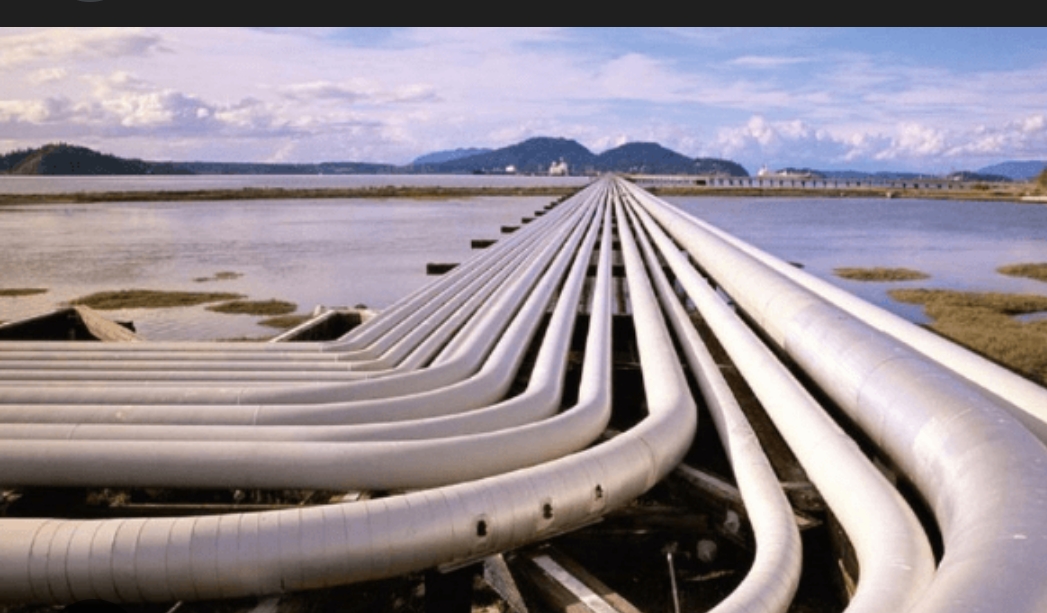
The 67-kilometre pipeline, with its 20-inch buried system and nameplate capacity of 160,000 barrels per day, ranks among the more reliable crude evacuation routes in the Niger Delta. It has delivered strong operational uptime around 95 per cent or higher. It has moved tens of millions of barrels. It has offered producers a dependable link to Chevron’s Escravos terminal.
In a region plagued by theft, vandalism, and frequent outages, that consistency directly supports export stability, revenue, and investor confidence.
To put it in plain words: this pipeline works. And that fact is important.
Financed through Nigerian banks and Afreximbank, lenders are still exposed. Encouragingly though, the asset continues to generate revenue under an existing joint operating framework.
Yet the current push to revive a deal that collapsed in October 2024 risks selling this performing asset far below its true worth.
The original offer for the 40 per cent stake stood at about $243 million. That figure belonged to a transaction involving Conpurex Limited. A transaction that failed when payment obligations were not met and terms could not be honoured.
That should have been the end of it. Instead, elements of that terminated process appear determined to linger.
Meanwhile, since the original deal collapsed, the pipeline has continued to operate. Reliably. Profitably.
Independent valuations conducted in 2025 now place the same 40 per cent stake significantly higher. Between $544 million and $641 million.
Let that sink in.
A gap of nearly $300 million at the low end. That is not a rounding error. That is money that would simply vanish from the public till if this deal proceeds on old terms.
And for what? For the convenience of reviving a failed transaction without a proper reset?
It is interesting how Professor Okey Ikechukwu, Executive Director of the Development Specs Academy, has put his finger on the crux of the matter.
He has called for the termination of the existing sale process. He argues that Nigeria should not dispose of a strategic, high-performing asset using outdated assumptions from a failed transaction. He is right.
Nigeria is not so cash-strapped that it must treat valuable infrastructure like distressed goods in a clearance sale. Proceeding on the old terms would short-change the country by hundreds of millions of dollars. It would undermine trust in how we manage national assets.
It is not surprising that a lenders’ syndicate led by Sterling Bank and AMCON has rightly voiced concerns. They want the process tied to the collapsed deal terminated. Outdated approvals cancelled. A fresh independent valuation conducted. The asset offered through transparent, competitive bidding.
These are not obstacles to investment. They are basic requirements for credibility. And they are exactly what a proper reset demands.
Moreover, let us all remember that Nigeria is at a sensitive point in its oil and gas journey.
International companies are exiting onshore assets. Local operators are stepping up. The Petroleum Industry Act framework is still being tested. In this environment, how the country handles strategic infrastructure sends a clear signal to domestic and foreign capital.
Rushing through a deal on outdated terms would suggest that performance does not count. That market realities can be set aside for convenience. That closure is never final.
That perception has cost Nigeria dearly in the past. Serious investors are not scared off by proper process. They are discouraged by the untidy optics of shortcuts.
Let’s be clear about one fact: the Amukpe-Escravos Pipeline has earned its value. Through real performance. In tough terrain.
Against the backdrop of a region where pipelines are more often stolen from than relied upon. Its reliability matters. Its strategic location matters. Its contribution to national revenue matters.
So does the broader principle at stake.
Nigeria must learn to recognise and defend the worth of its assets. Not just proclaim it. Defend it.
The right path, therefore, is clear.
Pause the current process. Terminate the configuration linked to the failed bid. Commission a current, independent valuation. Reopen the asset to genuine competition based on present realities.
Let current value, not yesterday’s failed offer, determine the outcome.
Getting this decision right will do more than secure better value for one pipeline. It will show that Nigeria is maturing in how it stewards its resources.
And that, given our checkered history especially in the oil and gas sector, is far more valuable than the transaction itself.


TotalEnergies reaffirms commitment to Nigeria’s energy growth


Nigeria moves to unlock five-decade-old gas resource, as $800M Ima gas project reach FID stage


TotalEnergies MD advocates focused reforms to drive bankable projects in Nigeria’s oil and gas sector


TotalEnergies, NNPC Renew AUSEA Technology Cooperation on Methane Reduction


TotalEnergies Reaffirms Committment To Bridging Nigeria’s Energy Supply Gap At 9th, 2026NIES.

TotalEnergies Divests Interest In Renaissance JV, As Vaaris Takes Over 10% Non-Operated Interest.