Solar energy could account for half of Nigeria’s entire electricity generation portfolio within the next two to three years, provided the current momentum in deployment and targeted private sector collaborations are sustained.
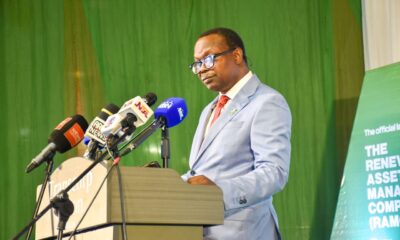
The Managing Director and CEO of the Rural Electrification Agency (REA), Abba Abubakar Aliyu made this known while speaking on the energy panel during the 25th annual Nigeria Oil and Gas (NOG) Energy Week 2026.
According to Dr Aliyu, renewable energy has rapidly outpaced historical skepticism noting that solar power currently constitutes 20% of the nation’s total generation capacity, with aggressive projections mapping a clear path to 50% dominance shortly.
Beyond bolstering domestic energy consumption, he revealed that Nigeria is successfully pivoting from a clean energy consumer to a major exporter of renewable hardware.
According to the REA boss, the country’s manufacturing sector is scaling up to meet regional demands, with made-in-Nigeria solar photovoltaic panels from Lagos State actively being exported to supply neighboring African nations.
To support the impending renewable boom, a robust 3.7-gigawatt portfolio of PV manufacturing capacity is already in the pipeline. This rapid expansion of solar manufacturing companies is actively transforming the Lagos-Sagamu industrial axis.
“We are very clear and very vocal. We are promoting much more now. If you go to the Lagos-Sagamu axis, you will see manufacturing companies coming up,” Aliyu stated.
Despite the unprecedented boom in solar infrastructure, energy experts caution that conventional gas-fired thermal plants will remain indispensable to Nigeria’s overall energy mix.
Engr. Vincent Transafam Ozoude, Managing Director and CEO of Transafam Power Limited, noted that while the widespread adoption of solar installations is a welcome development, natural gas is absolutely essential to cushion the inherent intermittency and fluctuations of renewable energy.
“Think about the population we have in Nigeria today yearning for power. The fluctuations in renewables make gas-fired thermal plants the quick fix to stabilizing the baseline of the grid. If the gas-fired plants are not there today, no matter how much renewable investment we’re doing, we’ll go backwards,” Ozoude warned.
To ensure that the surge in solar generation and existing thermal capacities translate into reliable power for millions of households, the stakeholders urged the Federal Government and private investors to adopt a dual-track investment approach.
Alongside these generation upgrades, the experts advocated for the deployment of digitalized smart grid systems to enhance efficient, real-time power dispatch.
They also called for the construction of additional high-voltage transmission lines which will run parallel to these upgrades, ensuring that newly generated electricity from both solar and gas sources does not become stranded away from the end-users.